Seasonal Homes
Condo or house for a seasonal home in Indian Wells?
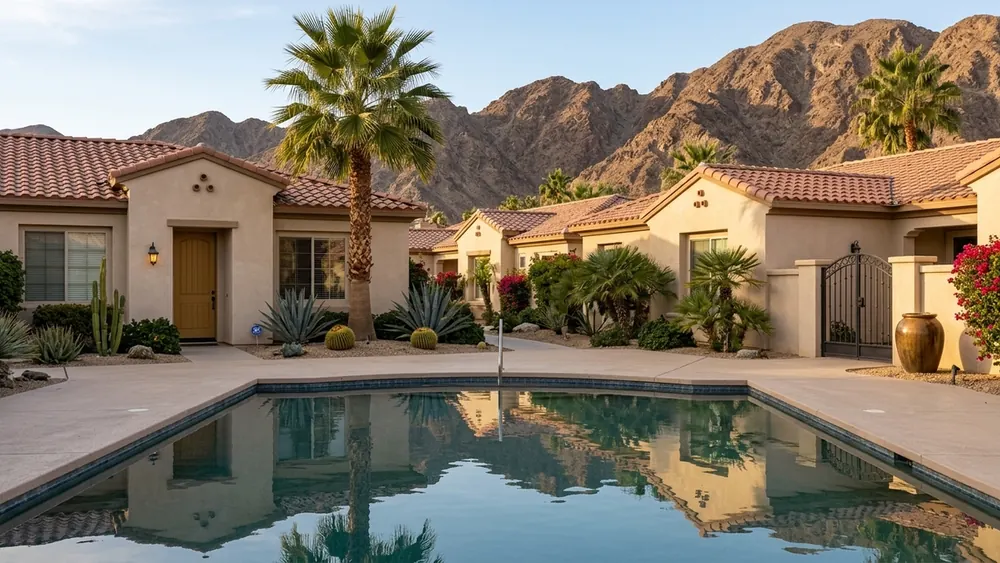
Choose a condo if you want less upkeep and the association rules fit your plans; choose a house if space and privacy matter more. Decide by how long you’ll stay in Indian Wells and who will look after the home while you’re away.
On this page
The short answer depends on your season
For a seasonal home in Indian Wells, a condominium usually simplifies part time ownership, while a house gives you more space and more privacy. The right choice comes down to two questions you can answer before you tour anything: how long you plan to stay in the desert each year, and who will look after the home while you are away. Answer those honestly and the condo or house question often settles itself.
This matters because a seasonal home works differently from the home you live in every day. It sits empty for stretches, it needs care you may not be there to give, and it has to be ready the day you arrive. A layout you love on a sunny afternoon tour can feel very different when you are managing it from another state. Starting with how you will use the home keeps the search grounded.
This article walks through the questions Bob and Sue Ellen Ross raise with seasonal buyers in Indian Wells and the nearby cities of La Quinta, Palm Desert and Rancho Mirage. It covers how you plan to use the home, what to read before an offer, the tradeoffs between the two, and what to bring to a first conversation. It gives no prices, fees or forecasts, because those belong with current sources.
Start with how you will use it
Before you compare floor plans, describe the season you have in mind. Write a few lines about when you expect to arrive, how long you want to stay, and what a good week in the desert looks like for you. Then think about the rest of the year, when you are somewhere else. These notes become the measure for every home you see, and they keep a beautiful view from making the decision for you.
- How long you expect to stay in the desert during a typical year
- Whether family or guests will use the home when you are away
- How much time you want to spend on upkeep while you are in town
- Who will check on the home, receive deliveries and handle problems
What to read before you make an offer
Whichever way you lean, gather the right documents before you commit. Many condominiums and many houses in Indian Wells sit inside communities with a homeowners association, so the paperwork matters for both. Read it with your season in mind, because the rules that shape part time ownership are often the ones buyers skim. If anything is unclear, take the question straight to the association rather than relying on a summary. A short list of what you read and what you still need answered keeps the process precise.
- The association rules, including any that affect guests or use while you are away
- What the association fees cover and what remains your own responsibility
- Whether any assessments are planned and how the association decides on them
- Any club membership questions, taken directly to the club for current terms
- Financing questions for a second home, put to a licensed lender in writing
Where a condominium tends to fit
A condominium can suit part time living when you want to close the door and leave without a long checklist. Exterior upkeep and shared grounds are often handled through the association, which means fewer decisions to make from a distance. Ask exactly what the fees cover, though, because the answer varies from one community to the next, and the only reliable source is the association itself. Keep the answers in writing so you can compare communities side by side later.
The tradeoff is control. Living in a condominium means living within shared rules, shared walls in many cases, and decisions made by a board you may not attend in person. Some owners welcome that structure, especially if they are in Indian Wells for only part of the year. Others find it confining. Read the rules for guests, pets, renovations and any use while you are away, and ask the association about anything that touches your plans.
Think about arrival day too. With a condominium, much of the property may already be maintained when you return, so your first week can feel like a vacation rather than a project. If you plan to spend most of your desert season on the courts, the fairways or out with friends, that ease may be worth more to you than extra square footage or a private yard. If you expect to host family for long visits, though, measure the space against those visits before you decide.
Where a house makes more sense
A house offers more space, more privacy and more freedom to shape the property around your life. If you expect long stays, visits from family, or a desire to renovate, those advantages can outweigh the extra care. Many houses in Indian Wells sit inside country club or gated communities, so you may still have an association handling some shared areas while you keep the home itself to yourself. Ask the association exactly where its responsibility ends and yours begins, because that line differs between communities.
The cost of that freedom is responsibility. A house needs someone to watch the pool, the landscaping, the air conditioning and the roof while you are gone. Ask a licensed home inspector what to watch for in the specific property, and ask an insurance agent what coverage looks like for a home that sits empty for part of the year. Those answers belong with them, not with a guess. Then decide who will check on the house between visits, and how often.
We ask seasonal buyers how long they will stay and who will look after the home. Those two answers usually decide between a condo and a house.
Questions that change the picture
A few situations shift the balance. If you hope to rent the home while you are away, that question goes to the association first, because rules can limit or prohibit it, and then to a qualified professional for any tax side. If you are financing the purchase, talk with a licensed lender early, because second homes and condominiums can be financed differently. Each of these can narrow your options before you fall for a property.
Location changes the picture as well. Indian Wells centers on country club living, while La Quinta, Palm Desert and Rancho Mirage add a wider range of communities and home types. If neither a condominium nor a house in Indian Wells quite fits your plans, comparing a few communities in the neighboring cities can help. Check services and taxes by address with official sources, since they vary from one property to another. Bob and Sue Ellen Ross can help you line up homes in each city to compare on the same terms.
Preparing for a first conversation
Bring the notes you wrote about your season: how long you plan to stay, who might use the home, and who will look after it when you leave. Add a short list of what you want nearby, such as golf, tennis, dining or simply a place to unwind. You do not need to have decided between a condo and a house. A clear description of how you want to live is the most useful starting point.
It also helps to list your open questions and who should answer each one. Association rules and fees go to the association. Club membership goes to the club. Financing goes to a licensed lender, and rental or tax questions go to a qualified professional. Bob works as a team with Sue Ellen Ross on the real estate side, and they can help you sort which question belongs where before you tour.
If you would like to talk it through, bring your notes to Bob and Sue Ellen Ross at Grand Luxury Properties, even if your plans are still taking shape. Tell them how you want to live in Indian Wells, and they will show you where that life fits, in a condominium, a house or both. There is no need to arrive with a budget settled or a community chosen. Which part of your desert season are you planning around first?
This article is general information about buying and selling homes in Indian Wells and nearby desert cities. It is not legal, tax, lending, insurance or inspection advice and does not predict prices or promise results. Confirm club membership terms with each club, association fees and rules with the association, services and taxes by address with official sources, financing with a lender, and property condition with a licensed home inspector. Bob Ross, Grand Luxury Properties.

Written by