Seasonal Homes
How do you own a desert home from afar?
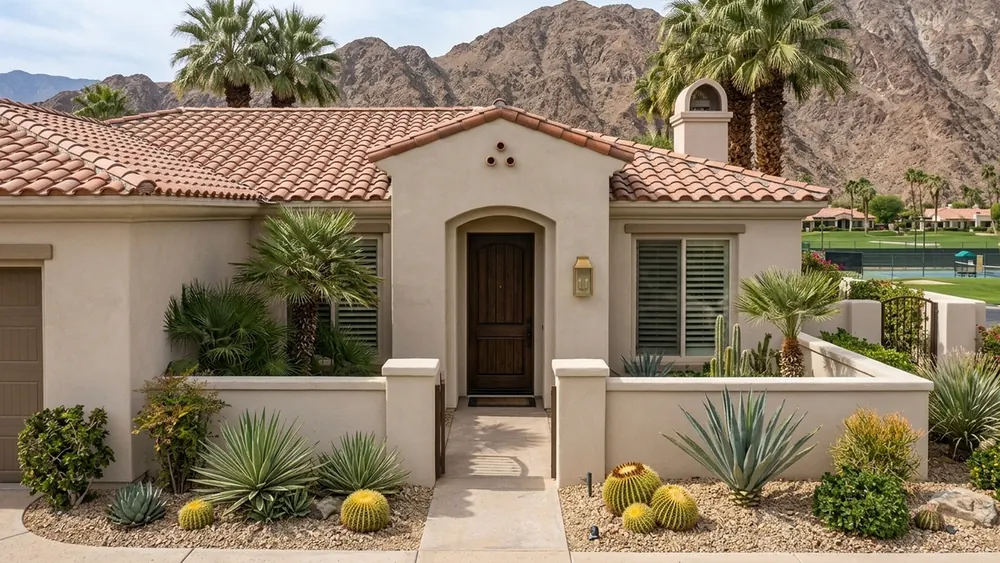
You own a desert home from afar by planning before you buy: choose a home that suits your time away, line up someone to look after it, read the association rules, and take insurance, financing and tax questions to the right professionals.
On this page
Plan the time away before you buy
Owning a desert home from afar works most smoothly when you plan for the months you are gone before you choose the home. That means picking a property whose upkeep matches your absence, arranging someone to check on it, understanding the association rules, and getting answers on insurance, financing and taxes from the people who can stand behind them. In Indian Wells, a little planning up front makes arrival day feel easy.
This matters because a seasonal home is two homes in one: the place you enjoy while you are here and the property that has to take care of itself while you are not. The desert sun, irrigation, pools and air conditioning all keep working when you leave. A home that suits your season but not your absence can turn a relaxed second home into a long list of calls from another time zone.
This article covers the decisions Bob and Sue Ellen Ross walk through with buyers who will own from a distance, across Indian Wells, La Quinta, Palm Desert and Rancho Mirage. It looks at what to settle before an offer, who looks after the home, what to ask the association, and how to prepare for a first conversation. It does not estimate costs or rental income, because those depend on the property.
Match the home to your absence
Start by being honest about how often you will be away and for how long. A home that is perfect for a long stay can be demanding to leave empty. Large yards, pools and detailed landscaping all need regular care. A condominium or a home in a community where the association handles shared grounds can reduce what you manage yourself, though you will want to confirm exactly what is covered.
Then think about the systems in the house itself. Ask a licensed home inspector which parts of the specific property deserve the closest attention when nobody is living there, and what kind of regular check makes sense. The answer might shape which home you choose. A property that looks simple on a tour can carry hidden upkeep, and you want to learn that before you own it, not after.
Finally, consider the arrival and departure rhythm. Someone needs to open the home before you come and close it properly when you leave. If that will be you, a simpler property helps. If you plan to hire help, ask early who in the area offers that service. Bob and Sue Ellen Ross can talk through how other seasonal owners approach this, without promising any particular arrangement.
Who looks after the home while you are gone
Every owner from afar needs a person close by. That might be a home watch service, a property manager, a neighbor you rely on or a family member who visits often. What matters is that someone has a key, knows the systems, and will actually come by on a schedule. Agree in writing what they will check, how they will report back, and what they are allowed to fix without calling you first.
Think through deliveries, mail and small repairs too. A package left at the door or a sprinkler line that fails can go unnoticed for weeks. If you live in a community with an association, ask what the association watches over and what is entirely yours. That boundary is often less clear than buyers assume, and only the association can tell you where it sits for that property.
Keep a simple folder with the contacts you will need: the association, the club if you join one, your insurance agent, your lender, and the people who look after the home. When something happens while you are away, you want one place to look rather than a search through old messages. Precise records save time, and they make it easier for anyone helping you to act quickly.
Questions for the association first
If the home sits in a community with a homeowners association, the association is the first source for many owner from afar questions. Read the documents with your absence in mind. Rules about guests, vehicles, pets, renovations and any use while you are away can matter more to a seasonal owner than to a full time resident. Ask these questions directly and keep the answers.
- What the association maintains and what stays the owner’s responsibility
- Whether guests or family may stay in the home when you are away
- What rules apply to renting the home, if renting is allowed at all
- How the association reaches owners who are away for part of the year
Write the answers down along with who gave them and when. Rules can change, so treat any answer as current only as of the day you received it. If a rule looks important to your plans, ask the association to show you where it appears in the documents. That one step keeps a misunderstanding from turning into a surprise after closing.
Who answers which question
Owning from afar raises questions that no single person can answer. The useful habit is knowing where each one belongs. Bob and Sue Ellen Ross handle the real estate side and can help you sort the rest, but the details below should come from the people responsible for them. Keep this table handy as you compare homes, and add your own questions to it.
| Question | Why it matters | Who to ask |
|---|---|---|
| What does the association maintain? | It sets how much care you arrange yourself | The homeowners association |
| How is a second home financed? | Terms can differ from a primary home | A licensed lender, in writing |
| What coverage fits a home left empty? | Vacancy can affect how a policy applies | Your insurance agent |
| Can the home be rented while you are away? | Rules and tax treatment both apply | The association, then a tax professional |
| Which systems need regular checks? | Small problems grow when nobody is home | A licensed home inspector |
Notice that none of these answers come from a listing description or a general article, including this one. Rules, coverage and lending terms change, and they depend on the specific property. Ask each source for its answer in writing where you can, and confirm it again close to closing. That habit is part of what makes owning from a distance manageable rather than worrying.
When the desert season changes the plan
The desert has a seasonal rhythm, and owning from afar follows it. When you are in town, you can see problems for yourself. When you are gone, the hotter part of the year can be hard on pools, landscaping and cooling systems, so the checks matter most then. Ask the person who looks after the home how their visits change with the season, and plan your budget around it.
Your own season may change too. Many owners find they stay longer once the home is set up, or that family begins to use it more. Choose a home that can flex with those changes. A property that works only for one exact pattern of use can become a burden if your plans shift. Thinking about the longer term, not just the first visit, helps you buy once and buy well.
What to gather before a first conversation
Before you talk with Bob and Sue Ellen Ross, write down how long you expect to be in the desert, who will look after the home while you are away, and which communities or cities you are considering. If you already know you want Indian Wells, say so. If you are still comparing La Quinta, Palm Desert or Rancho Mirage, that is useful too. Add the questions below.
- How often you plan to be away and for how long each time
- Who you would trust to check on the home and hold a key
- Whether you want the option to have guests use the home
- Which financing, insurance and tax questions you still need answered
You do not need every answer before you start. Bring your notes and your open questions to Bob and Sue Ellen Ross at Grand Luxury Properties, and they will help you match a home to the way you plan to own it. Tell them how you want to live here, and they will show you where. What would make your time away feel simple?
This article is general information about buying and selling homes in Indian Wells and nearby desert cities. It is not legal, tax, lending, insurance or inspection advice and does not predict prices or promise results. Confirm club membership terms with each club, association fees and rules with the association, services and taxes by address with official sources, financing with a lender, and property condition with a licensed home inspector. Bob Ross, Grand Luxury Properties.

Written by